

Benefits of Pellet Stoves
Pellet stoves make use of compressed wood to create a source of heat. They automatically transfer fuel to a burner from the storage container.
You can use them as a complement to your primary heating system or as a heating your home. Pellet stoves also emit less carbon than other heating options.
Eco-friendly
Modern pellet stoves provide heat to homes with recycled wood waste. They have advanced combustion technologies that burn fuel very efficiently. These systems allow for the stove to run with less ash. This helps reduce environmental impact. They also require fewer trees to harvest to produce energy than traditional wood-burning stoves. A lot of pellet stoves are equipped with catalytic convertors to reduce the emissions of smoke.
The combustion process in pellet stoves is controlled by the thermostat, which is set to the temperature you want. This system stops overheating and smoldering the fire. The hopper is also filled with a specific quantity of pellets to ensure there is always enough heat available when you need it.
Pellet stoves are able to burn a variety of biomass fuels, including wood chips, biofuels and other biomass fuels. They can produce as much heat as an oil or gas-burning fireplace. The wood-based pellets that are used in these stoves are often taken from sawmills or forestry industry byproducts which makes them eco-friendly. They are compressed and packed into pellets, which reduces size of the combustibilous material that can be used in the stove, which also cuts down on waste.
Wood pellets have high energy density and burn very cleanly, which means that they generate plenty of heat for their weight. They also produce a very small amount of ash which is easily removed from the stove by cleaning mechanisms. A majority of pellet stoves are designed to accept various levels of ash and can be used for different feeds.
These stoves can be used with other heating sources or as the primary heating source for a home. They usually draw air from outside the house and vent exhaust gases upwards through a wall or upwards through the roof of the building. The control and fan requires some electricity. They must be cleaned weekly by homeowners, and sometimes by professionals.
Convenient
Pellet stoves offer the same convenience as wood stoves without the hassle. Pellet stoves are much more convenient than wood stoves that require constant attention. They automatically add fuel to the fire and then burn it continuously to produce heat. They also release fewer greenhouse gases and produce fewer fine particles in the air than other types of fireplaces. They are a great option for homeowners who enjoy the appearance and feel of a wood-burning fireplace but don't want to begin cleaning, maintain, or clean it up.
Electric igniters make them easy to use, and are self-lighting. EPA-certified models can convert up to 75% of the energy from pellets directly into heat. They are also more cost-effective than gas or oil stoves because they use a fraction of their fuel. They are also eco-friendly because they make use of recycled biomass like sawdust or paper by-products.
Contrary to traditional wood stoves pellet stoves have an interior that is kept cool throughout operation, which minimizes the risk of fire and the need for kindling. They are also easier to clean, with less creosote buildup and a smaller ash volume than wood. They are also more compact and portable, with a lot being designed to fit in existing fireplaces.
The majority of models have a hopper that holds pellets, and an auger that feeds them into the burner. They are controlled by a thermostat and operate automatically so you can sit back and enjoy the warmth of your burning pellet fire. Some are compatible with smartphones, which means you can make use of an app to alter the temperature or other settings.
Pellet stoves are dependent on electricity to operate which means that you'll not be able make use of them if power is cut off in your home. This is why it is crucial to invest in an emergency battery backup system or have a generator in your home. Review the warranty on your stove to ensure that it is covered in the event of any issues. This is crucial, particularly if you live somewhere with lots of snow and cold temperatures.
Multi-faceted
Pellet stoves can be a versatile green heating option for homeowners. They use compressed wood pellets which are typically made from the byproducts of the lumber industry. These materials would be discarded in the event that they were not used to produce energy. Pellet stoves are also less expensive and possess greater efficiency in combustion than traditional wood stoves. This can lead to substantial savings on heating costs for your home. This makes them a popular option for homeowners who wish to reduce their carbon footprint and save on heating bills for their home. In addition, many governments and local authorities offer incentives, rebates or tax credits for pellet stoves. Include details about these benefits on your blog posts can help attract potential buyers.
Pellets are convenient to store and use, making them a great alternative to wood stoves. Pellets do not emit the smoke or ash that comes from wood, which can make a home dirty and uncomfortable. Moreover, they are less likely to attract vermin and insects. This makes them a great option for homes located in areas that have a lot of wildlife, or in rural areas.
The La Nordica Teorema pellet stove is an excellent example of an eco-friendly and efficient heating solution. It comes in a range of colors, and its sleek lines are perfect for any style of style. It has a high power output of 6.5kW which is perfect for larger rooms.
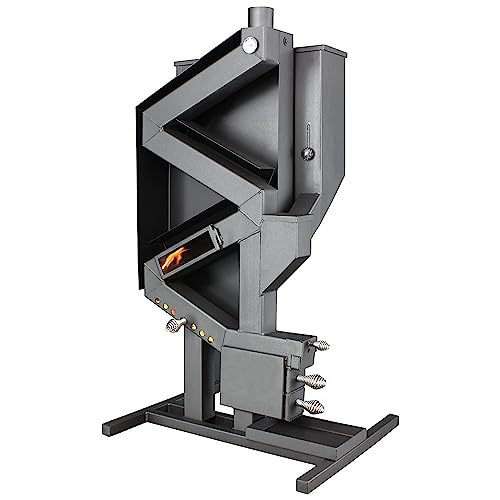
Pellet stoves are operated on a schedule unlike wood stoves which require constant attention. It is only necessary to load the hopper and then set your desired temperature. The stove will continuously feed fuel into the combustion chamber and exhaust gases. The stove will then distribute heat throughout your living space through a convection fan.
Another advantage of pellet stoves is that they do not need to be refilled like gas or wood stoves. A single batch of pellets can last up to 12 hours, which means that you won't need to be concerned about running out of fuel when the weather gets cold.
Energy efficient
Wood pellet stoves are a green alternative to other heating sources such as electric, oil or gas. They are less polluting and have a lower BTU, and use renewable fuels that are derived from wood wastes from sawmills or other sources. They also produce minimal ash and are easy to maintain clean. Wood pellet stoves can be used in combination with other heating systems or as the primary source of heat.
The basic pellet stove is made up of the hopper and the combustion chamber along with an air blower which circulates hot air throughout the home. Most models come with the option of a remote control that lets you adjust the temperature or switch the stove on and off. They require more maintenance than other types, since you have to clean the burner, and then load the hopper.
Pellet stoves are small and efficient, which means they can save space. They are suitable for small to medium-sized homes and can be fitted in existing fireplaces or incorporated into walls. They also require an intake pipe that pulls fresh air to ignite which improves energy efficiency and reduces indoor air pollutants.
These stoves can use a variety of compressed biomass fuels, including wood pellets. They also work with soy beans, corn and olive pits. click for more info produce little smoke and ash and are quieter than gas heaters and traditional wood stoves. They are also less expensive and cleaner than natural gas.
The mechanised screw auger is responsible for driving the combustion process within a pellet stove. It is responsible for transporting pellets into the combustion chamber from the hopper. The auger's speed of operation is controlled by the thermostat settings, and it only adds pellets when needed to maintain a desired room temperature. The pellets are then roasted to generate heat, and the resulting ash is then deposited in an ash pan that is located beneath the combustion chamber.
Wood pellets are a green alternative to other fossil fuels, and the cost of this fuel has remained relatively stable. They are also exempt from carbon taxes which makes them a sensible choice for many homeowners.